Science Communication Library
At Biodiversity Research Institute, we believe that science must inspire action, foster understanding, and spark conversation. With science communication, we highlight our work and bridge the gap between complex research and real-world conservation action. BRI staff also develop sampling protocols for standardized data collection and analysis.
Explore all of our communications pieces below! Use the top row to select topics of interest or use the search bar. If you have questions or further inquiries, please reach out to Allie Foster.

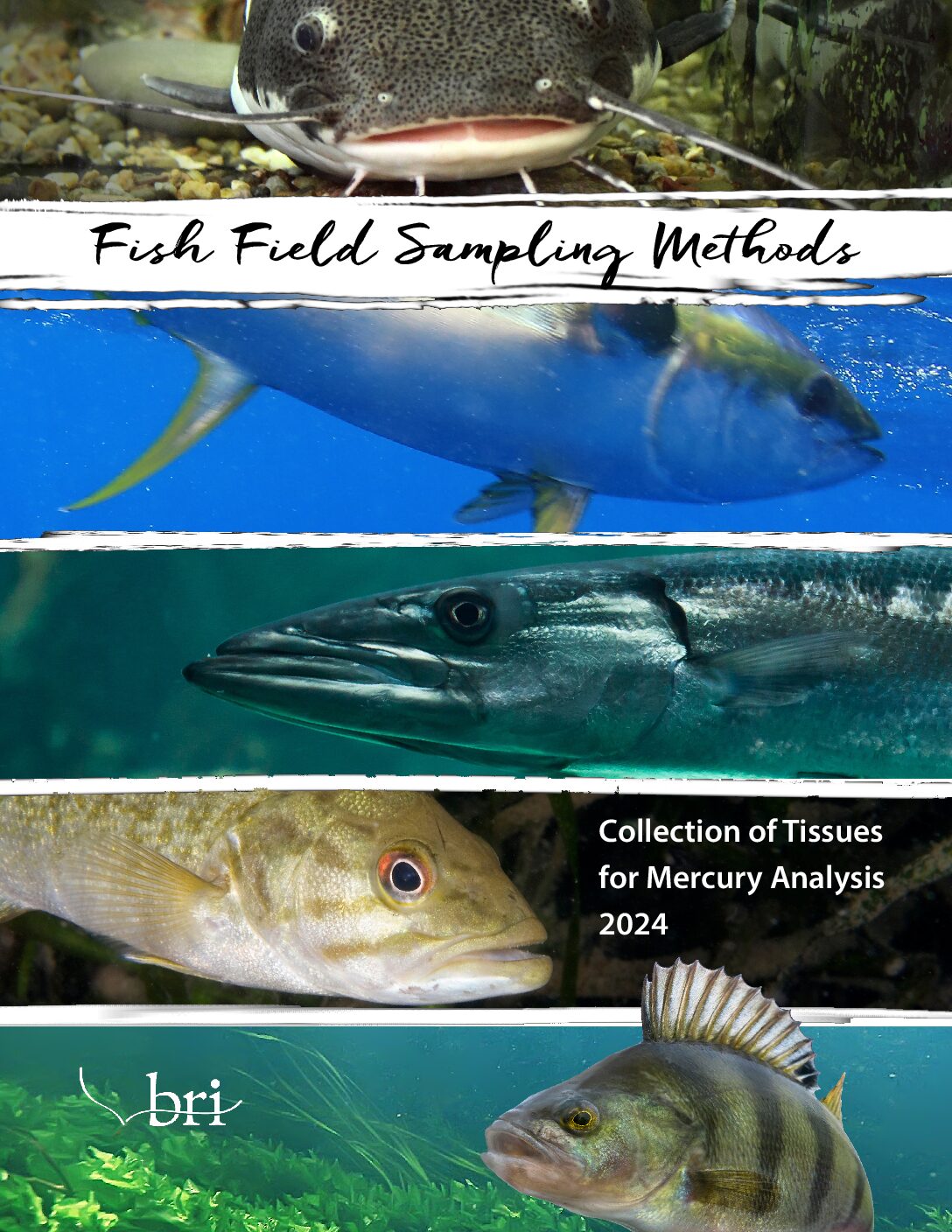
Fish Field Sampling Methods: Collection of Tissues for Mercury Analysis
Published: October 2024
This sampling protocol is designed as a guide for the collection, processing, and shipping of fish tissue samples for the measurement of total mercury. Sample collection following these general protocols will allow comparisons to be made across sampling sites and assist in identifying potential mercury hotspots posing risk to both human and ecosystem health.
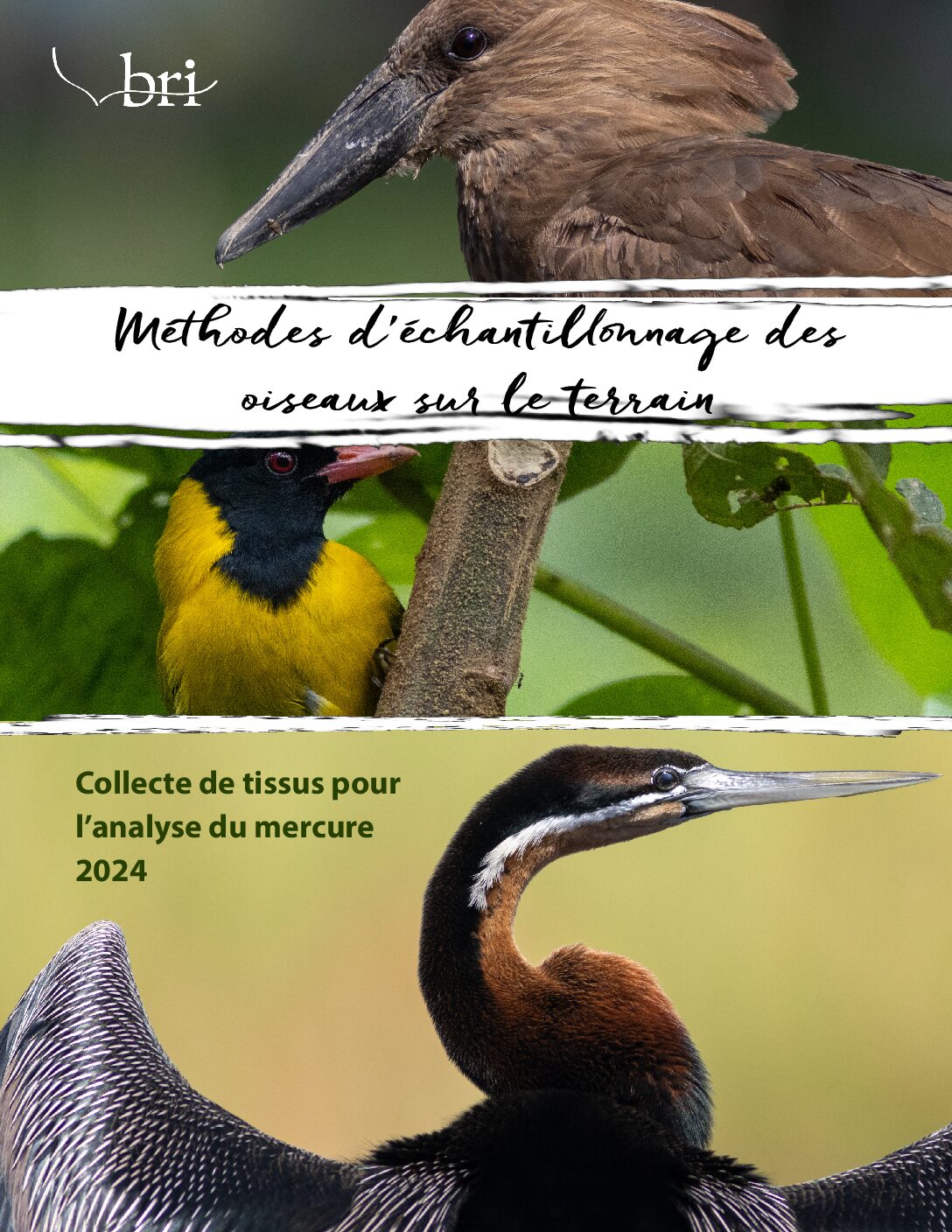
Méthodes d’échantillonnage des oiseaux sur le terrain: Collecte de tissus pour l’analyse du mercure
Published: October 2024
La collecte et l’analyse non létales d’échantillons de sang entier chez les oiseaux sont utilisées pour identifier l’absorption alimentaire récente de contaminants, tels que le mercure (Evers 2018), et divers isotopes stables (c’est-à-dire δ13C, δ15N, δ34S) qui permettent de reconstruire le régime alimentaire et d’identifier les origines migratoires.
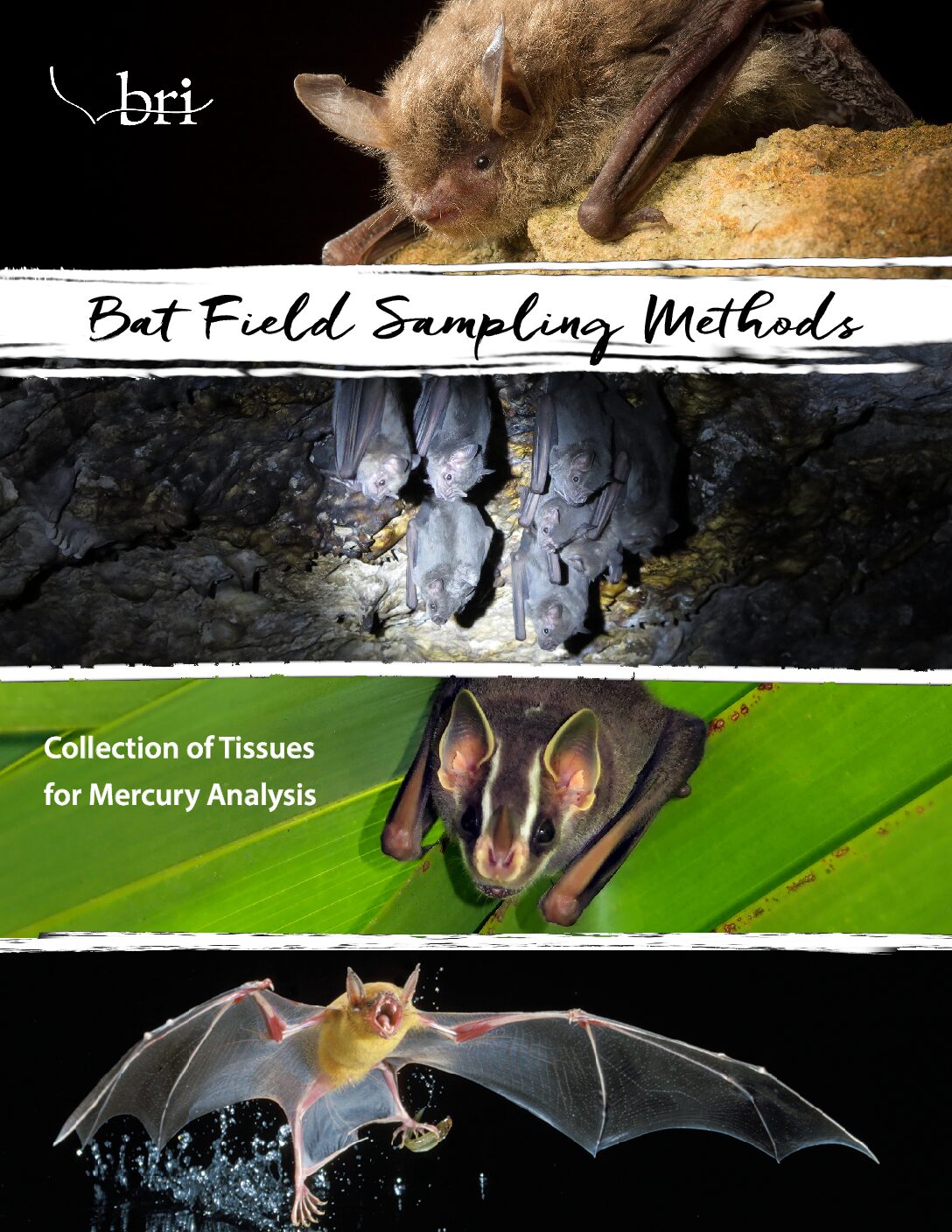
Bat Field Sampling Methods: Collection of Tissues for Mercury Analysis
Published: October 2024
The nonlethal collection and analysis of whole blood samples in bats is used to identify the recent dietary uptake of contaminants, such as mercury (Evers 2018), and various stable isotopes (i.e., δ13C, δ15N, δ34S) that allow for diet reconstruction and identifying migratory origins.
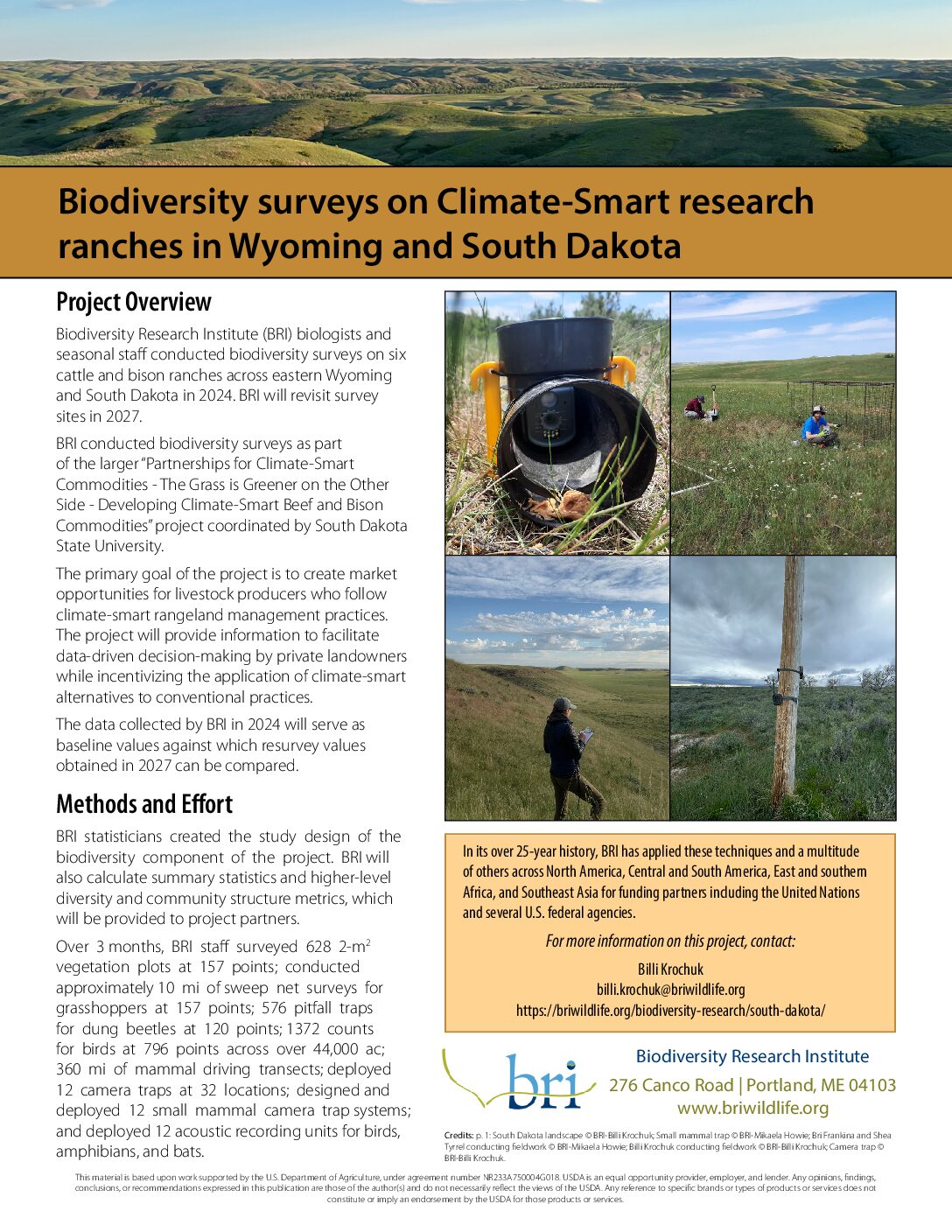
Biodiversity Surveys in South Dakota
Published: September 2024
In its over 25-year history, BRI has applied these techniques and a multitude of others across North America, Central and South America, East and southern Africa, and Southeast Asia for funding partners including the United Nations and several U.S. federal agencies.
Mercury in the Global Environment: Impacts to Biodiversity
Published: July 2024
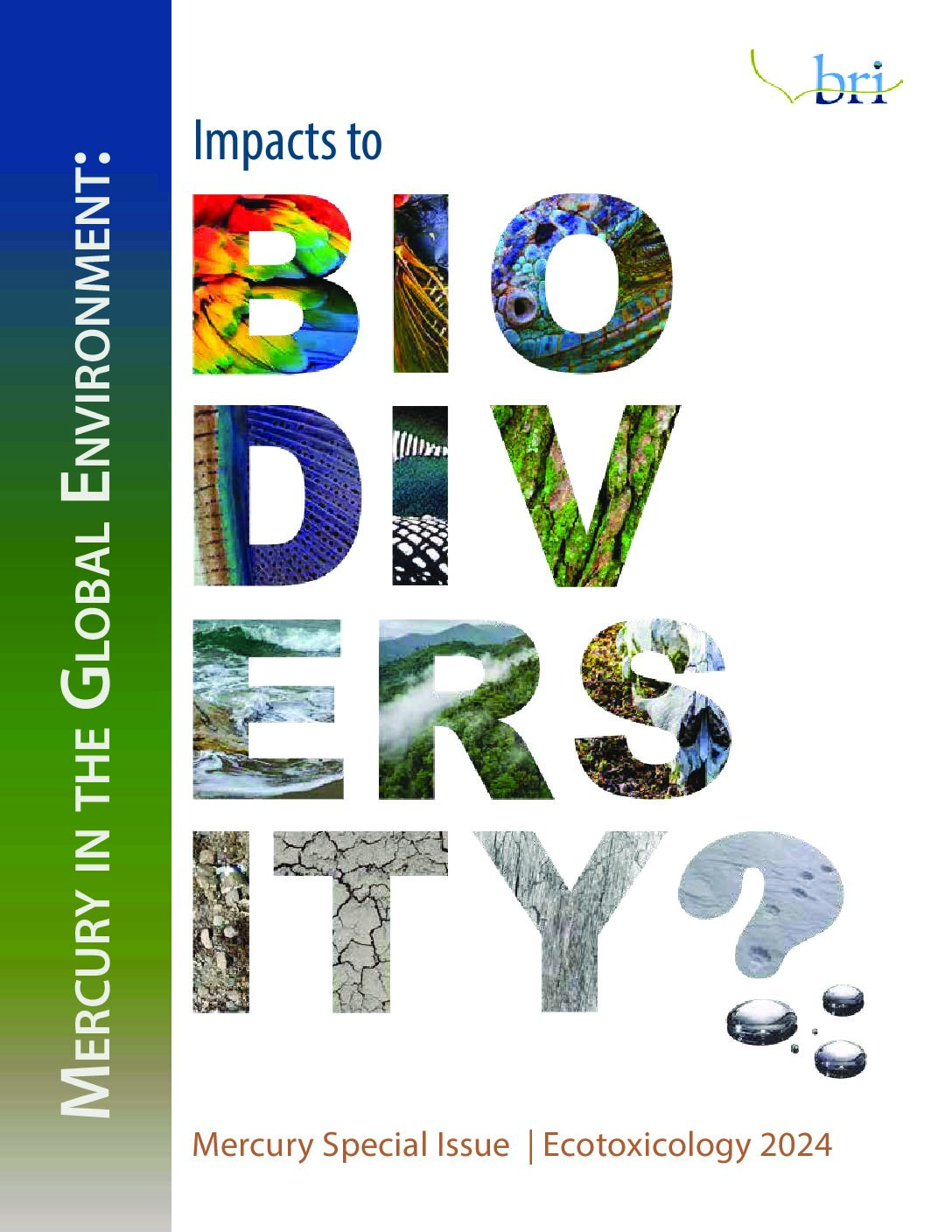
To inform policy efforts and advance public awareness, an international group of scientists collaborated on producing 18 peer-reviewed papers that describe the impacts of mercury on the environment and key biota—information vital for evaluating the effectiveness of the Minamata Convention on Mercury. These papers, published in two parts, are collected in a Special Issue of Ecotoxicology entitled Assessing Global Environmental Mercury Exposure in Biota and Potential Impacts on Biodiversity. This publication, Mercury in the Global Environment: Impacts to Biodiversity?, highlights the major findings of those studies and collaborative efforts.
Mercury in Indonesia: Reducing Supply and Availablity
Published: July 2024
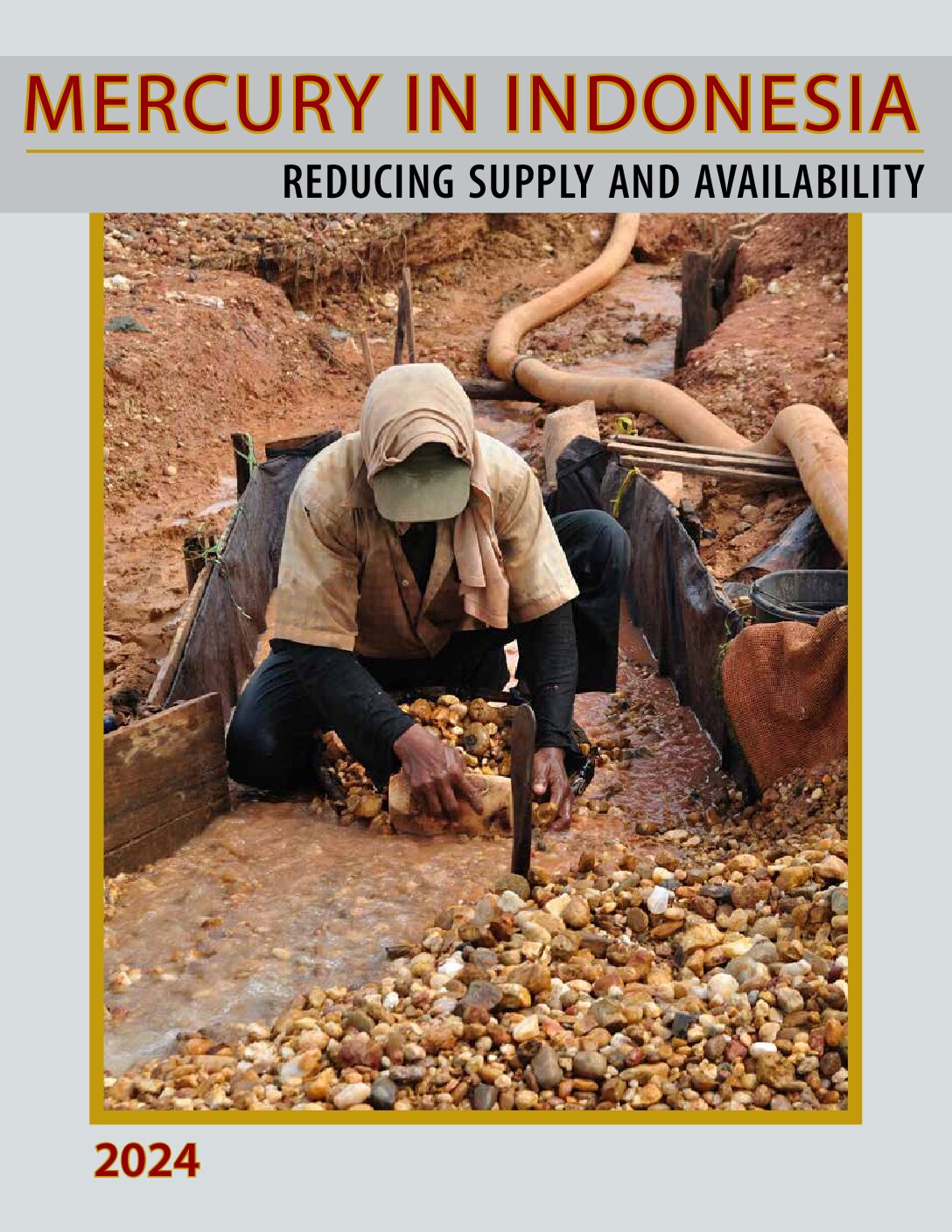
Project summary on initiatives supporting the restriction of mercury supplies in Indonesia. Biodiversity Research Institute (BRI), in collaboration with Nexus3 Foundation and other nongovernmental organizations, is leading initiatives with funding from the U.S. Department of State, to support the Government of Indonesia in restricting mercury supplies, especially for the artisanal small-scale gold mining sector.
Projecting the effects of Offshore Wind mediated benthic changes on U.S. marine ecosystems
Published: May 2024
One-page summary about benthic changes research relating to offshore wind development. Benthic (or seafloor) communities can be highly reactive to disturbance. More information is needed to understand how Offshore Wind (OSW) farms will impact benthic marine communities in the northwest Atlantic, where a majority of U.S. OSW development is underway.
Projecting the effects of Offshore Wind mediated benthic changes on U.S. marine ecosystems
Published: May 2024
Detailed research study objectives looking at impacts to benthic communities due to offshore wind development. Studying changes in benthic communities can be challenging, particularly due to the variation in seasonality and mobility across organisms. This project takes an ecosystem-focused approach to gain a more holistic understanding of potential impacts of OSW on marine benthic communities.
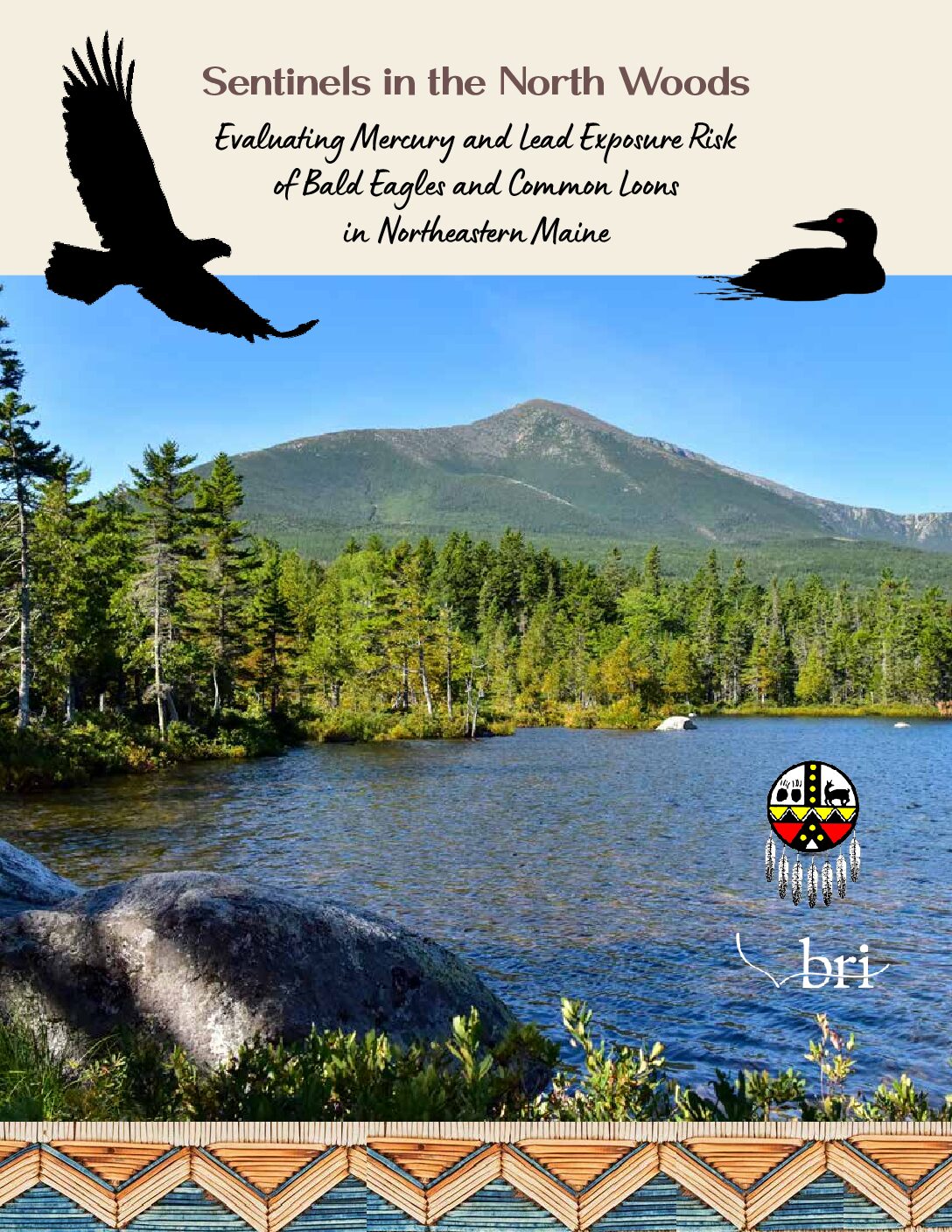
Sentinels in the North Woods: Evaluating mercury and lead exposure risk of Bald Eagles and Common Loons in Northeastern Maine
Published: May 2024
In 2021, the Mi’kmaq Nation received grant funding to evaluate the exposure of Bald Eagles and Common Loons to mercury and lead, which can threaten both species. No prior efforts have evaluated mercury and lead exposure in loons or eagles in northern Maine. The grant also committed to conducting outreach on the health risks of lead and mercury to wildlife and humans, and to expanding the tribe’s capacity through field training and equipment purchases.
Supporting offshore wind siting in the Gulf of Maine – Marine birds: Report to the Maine Department of Inland Fisheries and Wildlife
Published: March 2023
The Bureau of Ocean Energy Management (BOEM) has reconvened the Gulf of Maine Intergovernmental Renewable Energy Task Force commercial planning process to aid in identifying potential renewable energy lease areas on the Outer Continental Shelf in the Gulf of Maine (GOM). To support the State of Maine Department of Inland Fisheries and Wildlife during the offshore wind commercial planning process, Biodiversity Research Institute (BRI) conducted a desktop study and literature review to determine regions of importance for breeding and migrating marine birds in the Gulf of Maine to inform regions of higher and lower risk to marine birds. The Bureau of Ocean Energy Management (BOEM) has reconvened the Gulf of Maine Intergovernmental Renewable Energy Task Force commercial planning process to aid in identifying potential renewable energy lease areas on the Outer Continental Shelf in the Gulf of Maine (GOM). To support the State of Maine Department of Inland Fisheries and Wildlife during the offshore wind commercial planning process, Biodiversity Research Institute (BRI) conducted a desktop study and literature review to determine regions of importance for breeding and migrating marine birds in the Gulf of Maine to inform regions of higher and lower risk to marine birds.
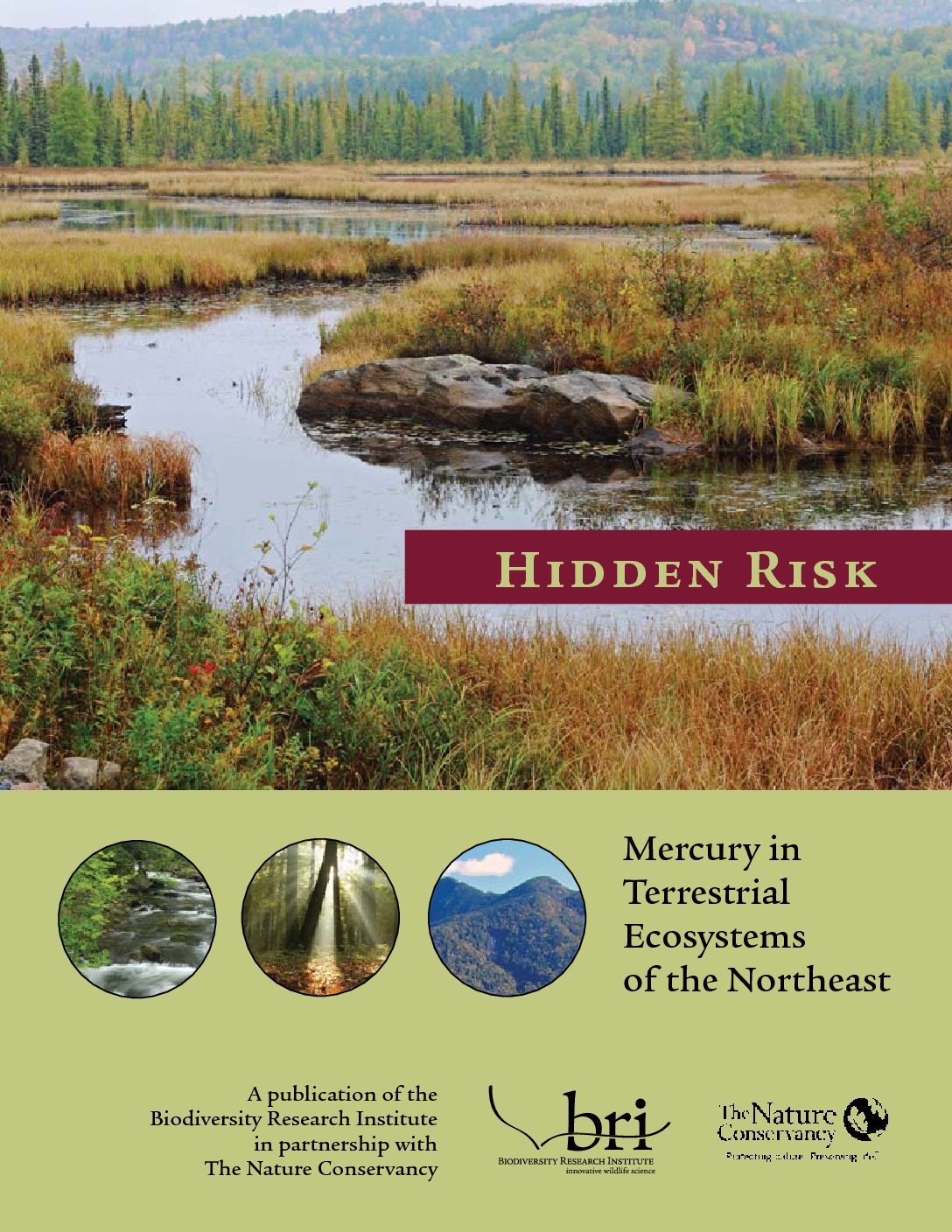
Hidden Risk: Mercury in terrestrial ecosystems of the Northeast
Published: November 2021
Mercury is a pollutant that is cause for concern at local, regional, and global scales. While areas of high contamination (known as biological mercury hotspots) may occur near mercury-emitting sources, often they do not. Because mercury released into the atmosphere can circle the world before being deposited, habitats located far from point sources of mercury can still be of major concern to wildlife health. Although great strides have been made to reduce mercury released into the air and water from human activities, this report illustrates that high levels of mercury persist in many wildlife species distributed across many habitat types.
Phasing out Mercury-added Products: Skin Lightening Products and Other Cosmetics
Published: November 2021
What to know about consumer and commercial products outlined in the Minamata Convention. The Minamata Convention on Mercury defines a mercury-added product as a “product or product component that contains mercury or a mercury compound that was intentionally added.”
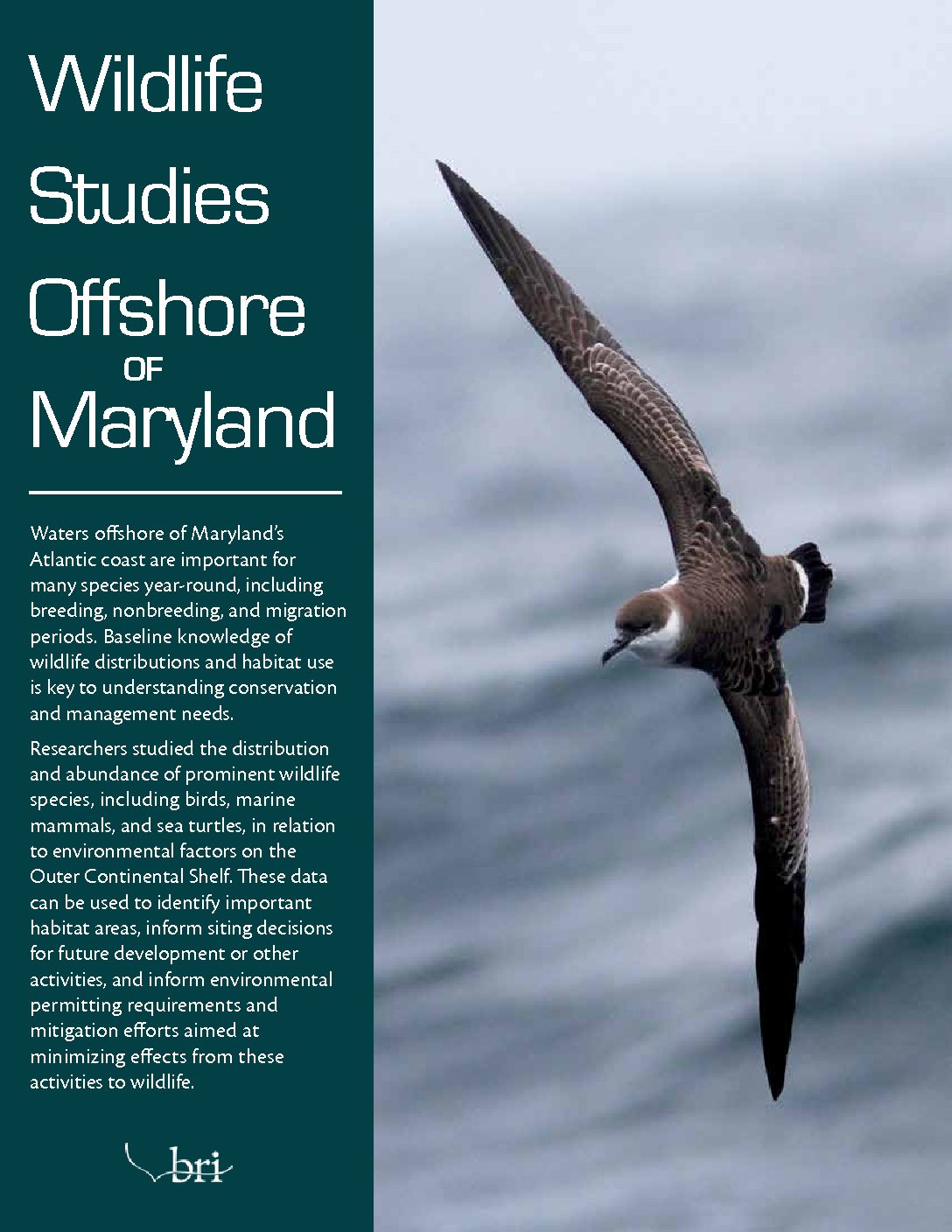
Wildlife Studies Offshore of Maryland
Published: November 2021
This project was undertaken as part of a larger regional effort in the Mid-Atlantic United States, from Delaware to Virginia, that focused on understanding the potential exposure of birds, marine mammals, sea turtles, and other wildlife to future offshore wind energy development.
Global Mercury Inventory Synthesis: An Initial Examination of the MIA Mercury Inventories
Published: October 2021
This publication highlights the results of a pilot study that Biodiversity Research Institute (BRI), in collaboration with UN Environment, developed to examine and summarize the national mercury inventories of 43 countries that have completed the MIA process.
Mid-Atlantic Wildlife Studies: Distribution and Abundance of Wildlife along the Eastern Seaboard 2012 – 2014
Published: August 2021
The Mid-Atlantic Baseline Studies Project was funded by the Department of Energy's (DOE) Wind and Water Power Technologies Office in 2011, with additional support from a wide range of partners. The study goal was to provide comprehensive baseline ecological data and associated predictive models and maps to regulators, developers, and other stakeholders for offshore wind energy. This knowledge will help inform the siting and permitting of offshore wind facilities on the mid-Atlantic Outer Continental Shelf.
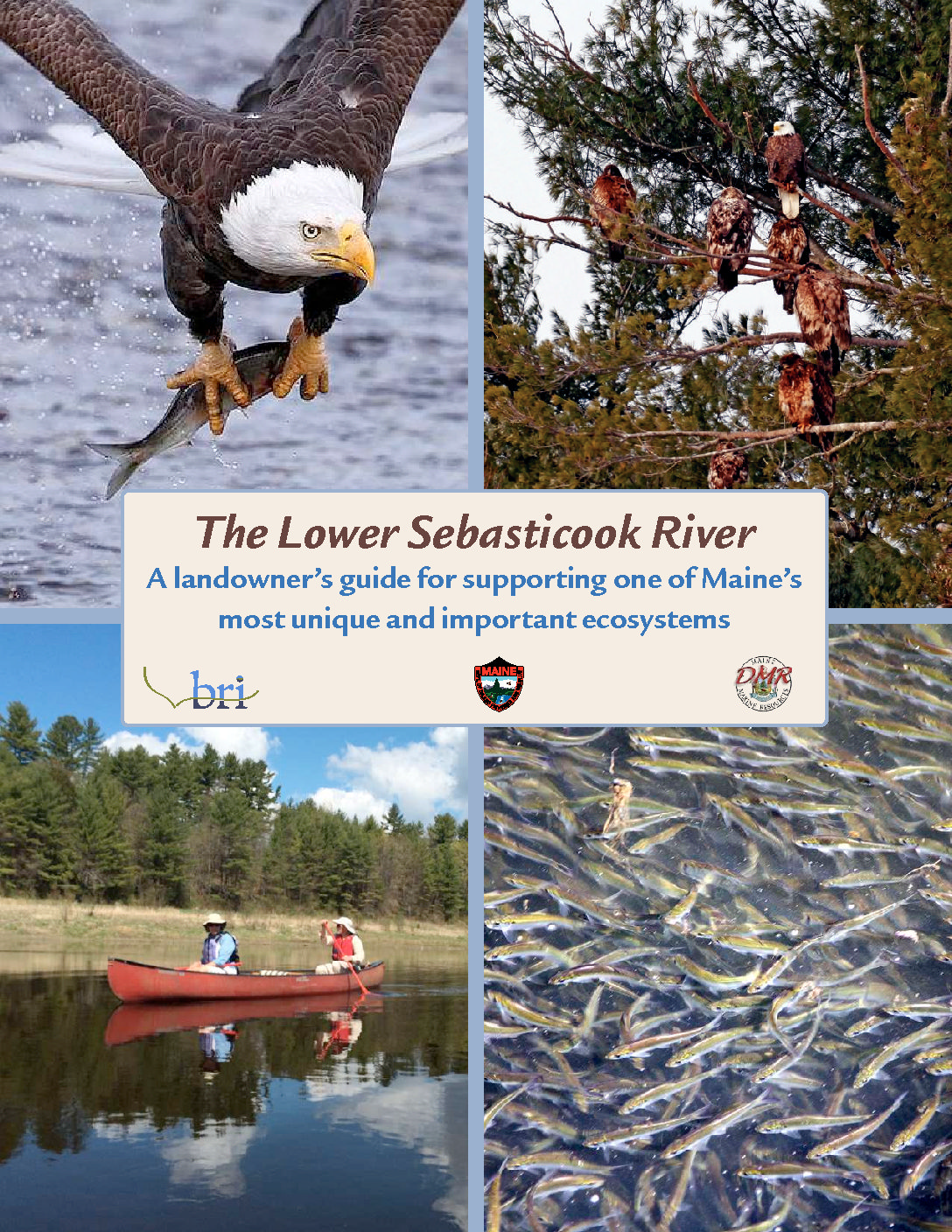
The Lower Sebasticook River: A landowner’s guide for supporting one of Maine’s most unique and important ecosystems
Published: August 2021
This publication highlights the unique ecological importance of the lower Sebasticook River to people, fish, and wildlife. In addition, we offer guidelines and specific ideas to promote stewardship and conservation to riverfront landowners given their important role in safeguarding its shared local natural resources.
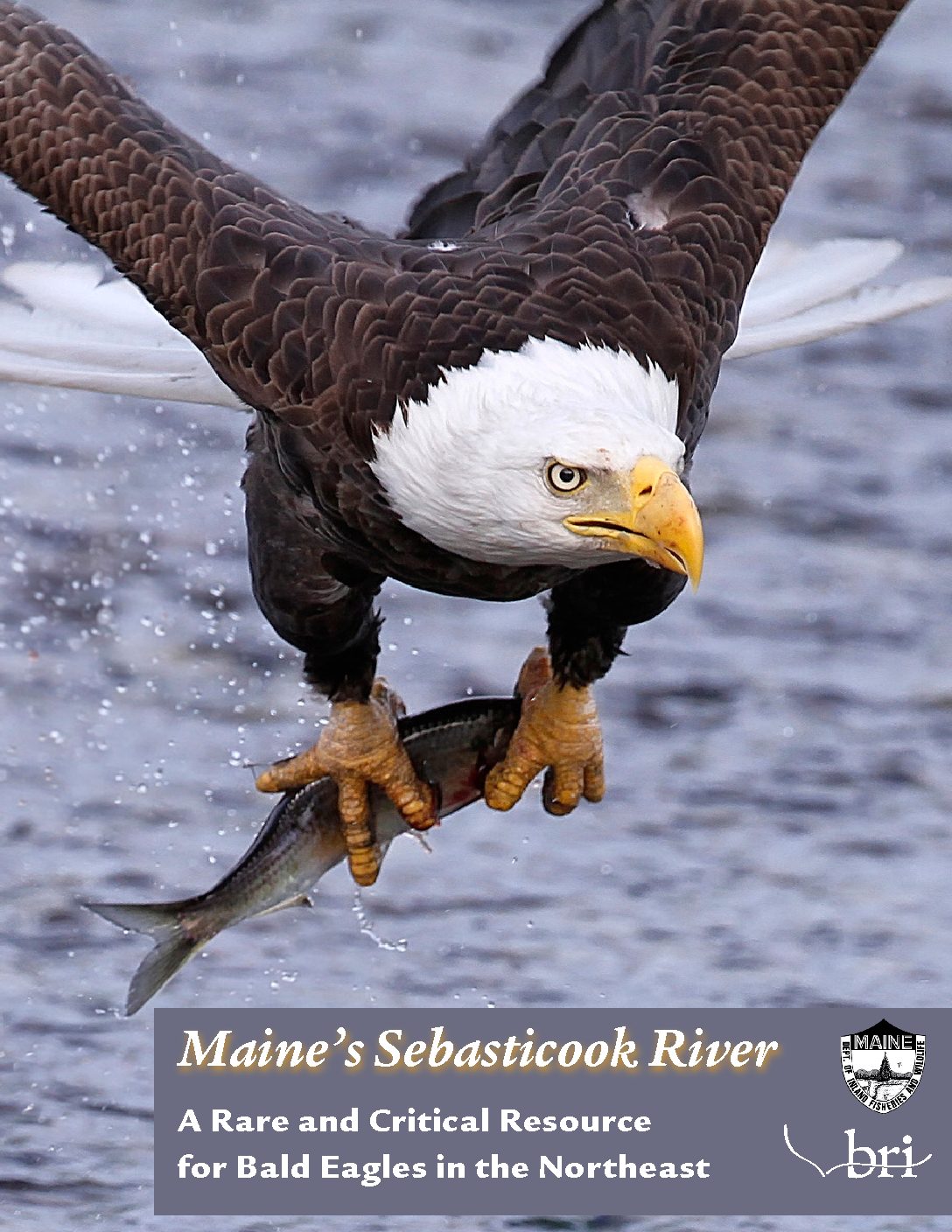
Sebasticook River: A Rare and Critical Resource for Bald Eagles in the Northeast
Published: August 2021
In 2014, with support from the American Eagle Foundation and local landowners, researchers from Biodiversity Research Institute (BRI) and the Maine Department of Inland Fisheries and Wildlife (MDIFW) conducted groundbased and aerial surveys of Bald Eagles utilizing fishing and perching areas along the Sebasticook River.
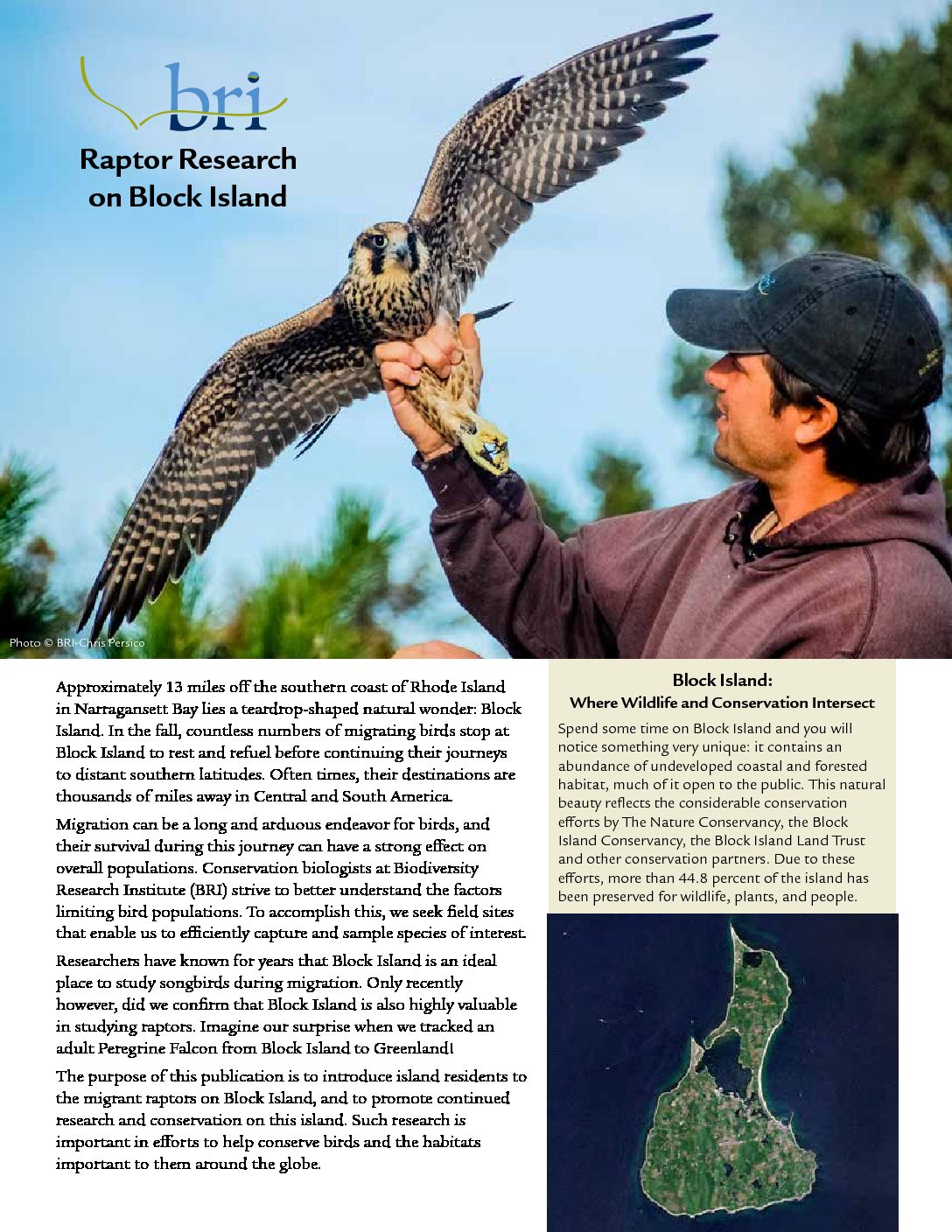
Raptor Research on Block Island
Published: August 2021
The Block Island raptor research station is the northernmost and furthest offshore on the Atlantic coast. These characteristics coupled with the unique migration patterns of raptors there make this island valuable for its research and monitoring potential. With assistance from The Nature Conservancy, BRI biologists established a raptor research station on Block Island during fall seasons of 2012 and 2013. This station enabled us to capture, band, and collect blood and feather samples from migrating raptors.
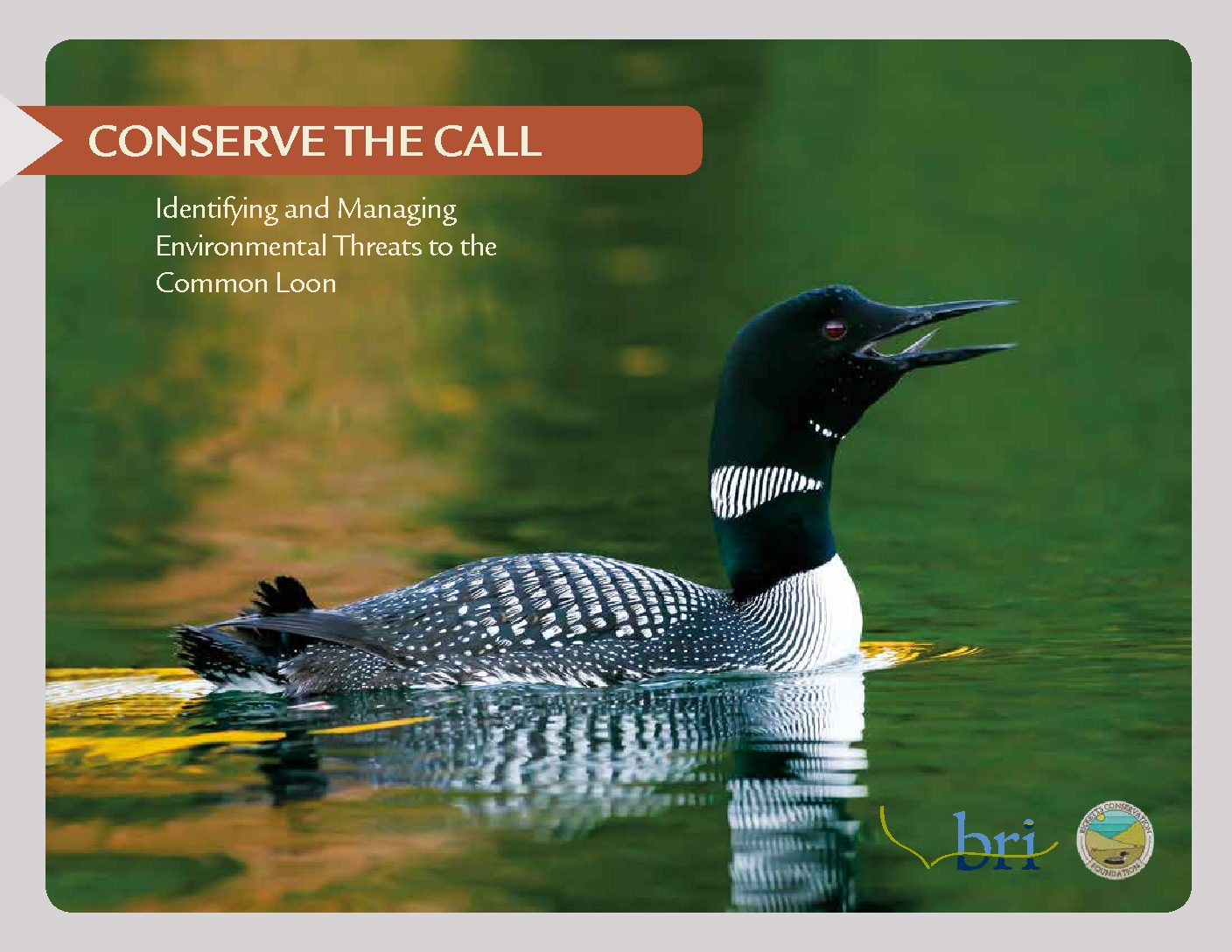
Conserve the Call: Identifying and Managing Environmental Threats to the Common Loon
Published: July 2021
The Common Loon (Gavia immer) is one of five loon species that exist worldwide and is a highly visible resident in North American waters. Many individuals and organizations are dedicated to conserving this species, in part due to its great public appeal.
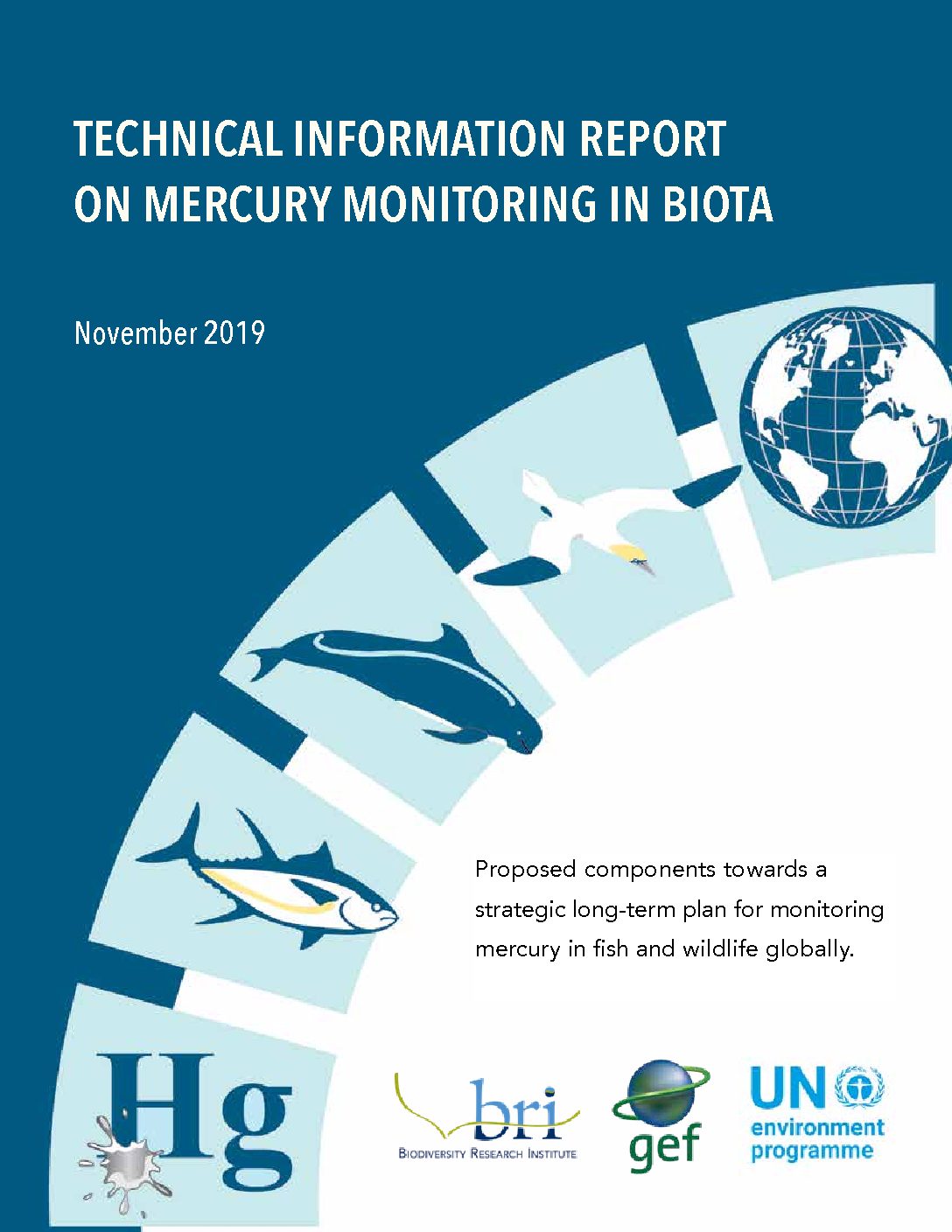
Technical Information Report on Mercury Monitoring in Biota
Published: June 2021
Proposed components towards a strategic long-term plan for monitoring mercury in fish and wildlife globally. There are multiple steps in developing a framework for monitoring mercury in biota in a comprehensive, standardized, and replicable way. Models and mercury exposure information are well described for many places of the world, but there are important data gaps that still need to be defined, prioritized and filled.
Global Mercury Monitoring in Biota: Understanding the threat of environmental mercury loads requires biotic monitoring
Published: June 2021
Monitoring mercury in biota (plants and animals) provides a pathway for understanding spatial gradients, temporal trends, and environmental magnitude of concern that cannot be ascertained in air, water, or sediment.
Local, Regional, and Global Biomonitoring: Understanding Mercury Exposure through Monitoring At-risk Species
Published: June 2021
Fish and wildlife provide important information on the environmental impacts of mercury pollution and potential risks related to human health. Biomonitoring is the process of assessing the health of organisms and ecosystems and tracking changes in mercury risk and exposure over time.
New York State: Mercury Connections 2019: The extent and effects of mercury pollution in the state
Published: June 2021
New York State Mercury Connections is a summary of the major findings of a series of research studies undertaken by Biodiversity Research Institute in cooperation with the New York State Energy Research and Development Authority.
Great Lakes Mercury Connections: The extent and effects of mercury pollution in the Great Lakes region
Published: June 2021
The Great Lakes Commission sponsored a binational scientific synthesis effort through its U.S. Environmental Protection Agency-funded Great Lakes Air Deposition program. The purpose of the synthesis project was to foster binational collaboration among mercury researchers and resource managers from government, academic, and nonprofit institutions to compile a wide variety of mercury data for the Great Lakes region, and to address key questions concerning mercury contamination, the bioaccumulation of methylmercury in food webs, and the resulting exposures and risks.
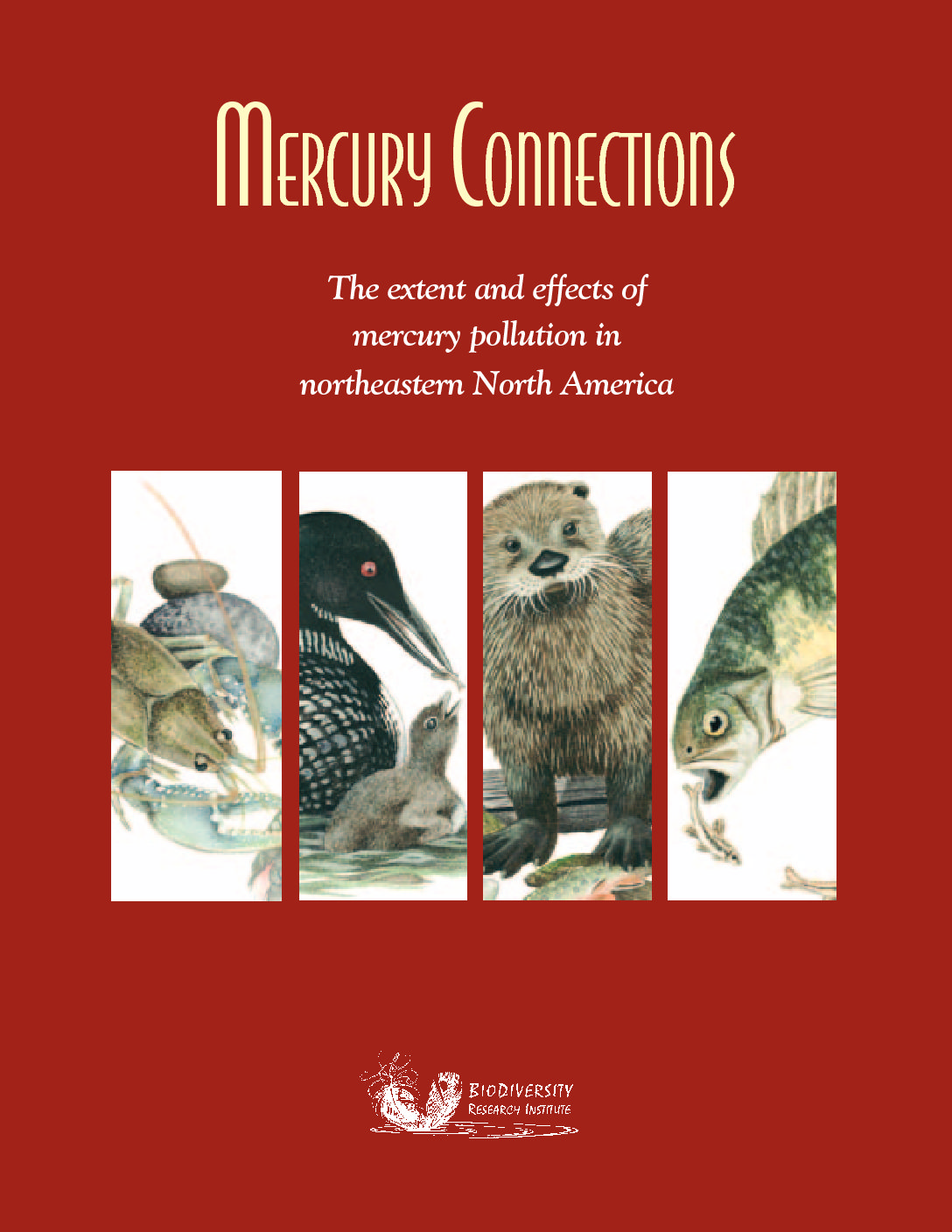
Mercury Connections: Northeastern North America: The extent and effects of mercury pollution in northeastern North America
Published: June 2021
Mercury Connections is a summary of the major findings reported in a series of 21 papers. These papers are published in: Biogeographical patterns of environmental mercury in northeastern North America. 2005. Ecotoxicology. Volume 14, numbers 1 and 2. Guest Editors: David C. Evers and Thomas A. Clair.
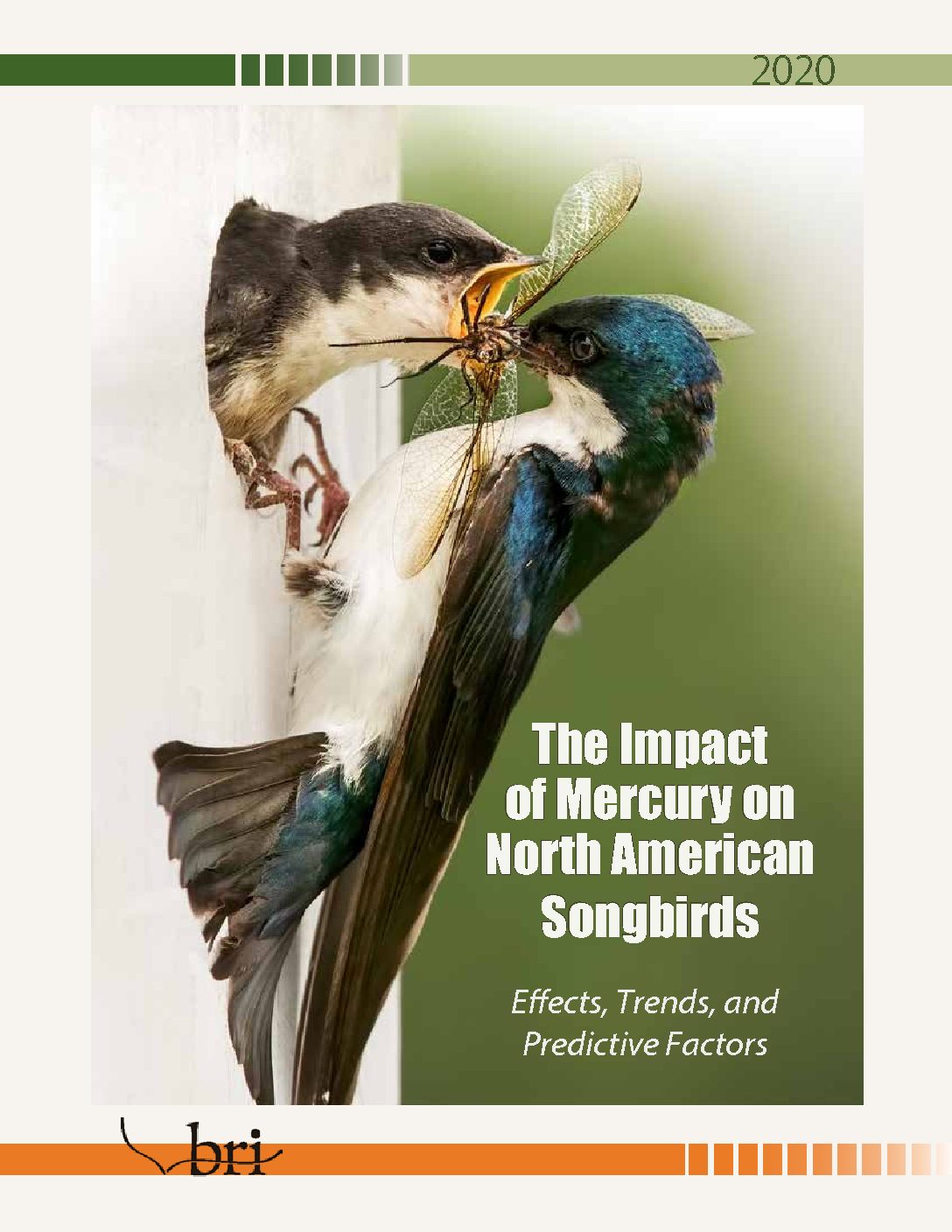
The Impact of Mercury on North American Songbirds: Effects, Trends, and Predictive Factors
Published: June 2021
To inform policy efforts and advance public understanding, a group of 61 scientists collaborated on producing 15 papers that describe the impacts of mercury on songbirds across the United States and Canada. These papers are collected in the October 2020 special issue of Ecotoxicology. This publication, The Impact of Mercury on North American Songbirds, highlights the major findings of those studies and collaborative effort. In 2012, Biodiversity Research Institute (BRI) published groundbreaking research results in Hidden Risk: Mercury in Terrestrial Ecosystems of the Northeast (Evers et al. 2012). At the time, it had been well documented that aquatic environments contained mercury, which, when converted to its organic form methylmercury, entered food webs and adversely affected the health of wildlife that are part of that ecosystem. However, there was little known about mercury in the terrestrial environment.
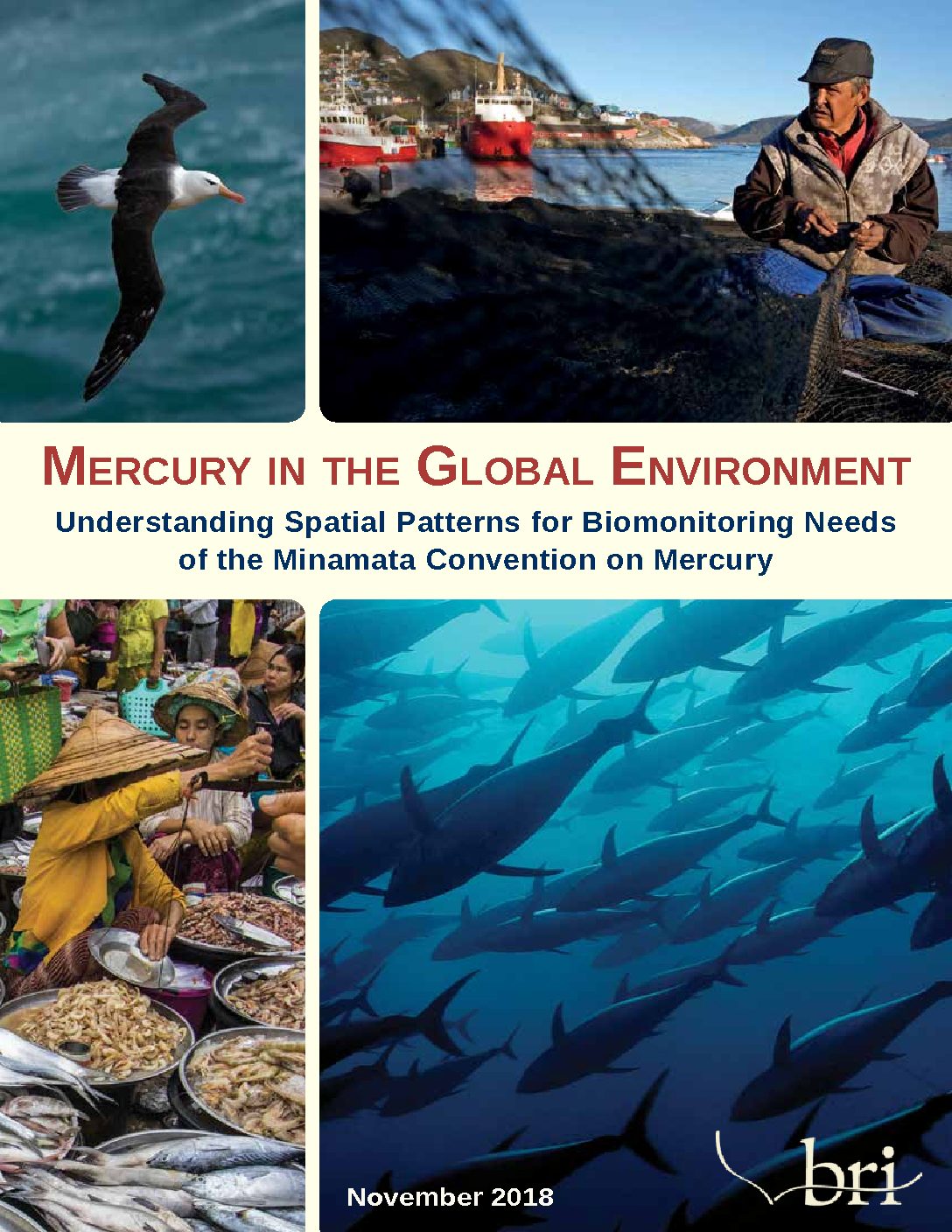
Mercury in the Global Environment: Understanding Spatial Patterns for Biomonitoring Needs of the Minamata Convention on Mercury
Published: June 2021
Biodiversity Research Institute (BRI) has compiled mercury data from published literature into a single database, the Global Biotic Mercury Synthesis (GBMS) Database. This database includes details about each organism sampled, its sampling location, and its basic ecological data. From each reference, mercury concentrations are averaged (using weighted arithmetic means) for each species at each location. Data from the GBMS database can be used to understand spatial and temporal patterns of mercury concentrations in biota. This information can also help establish baseline concentrations for a particular species and identify ecosystems most at risk to mercury inputs.
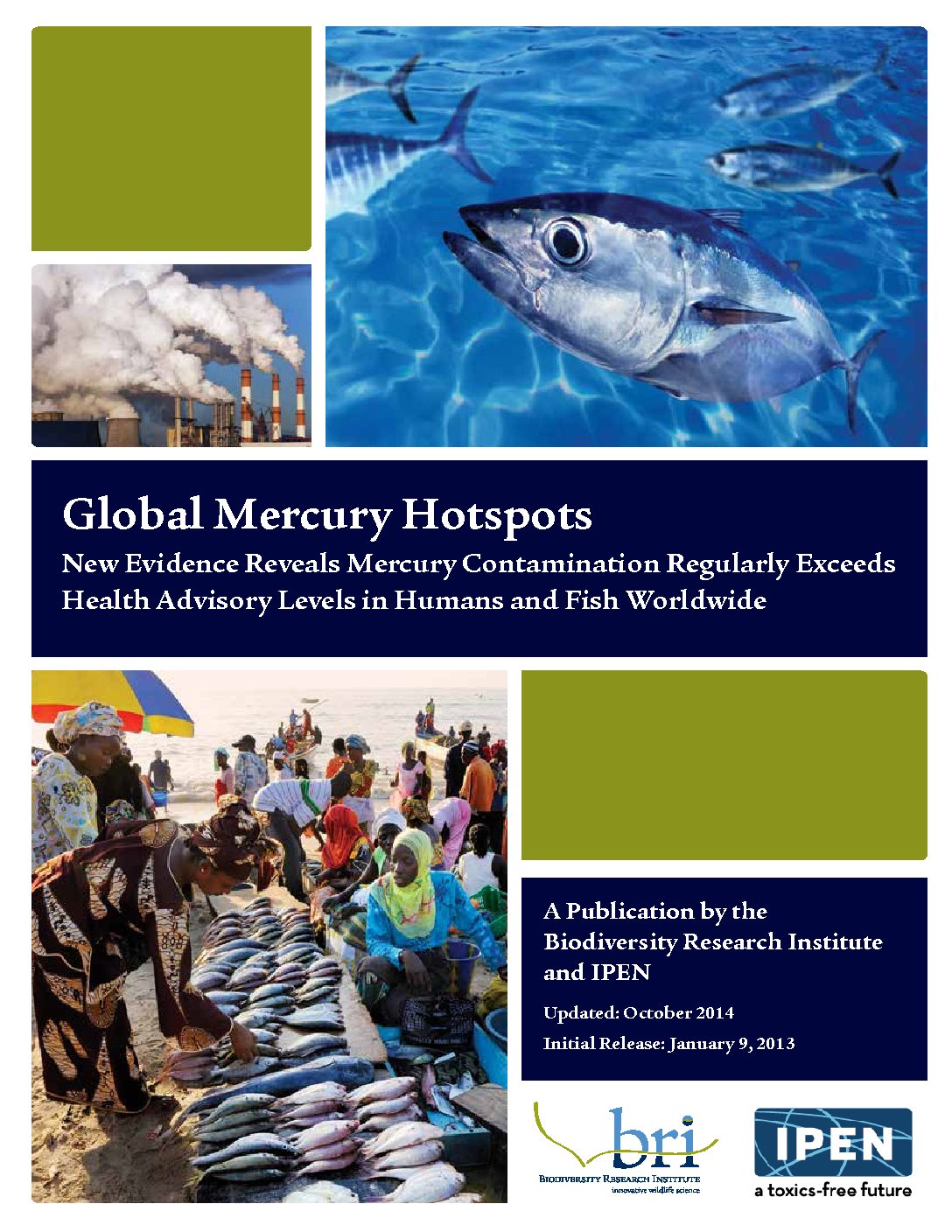
Global Mercury Hotspots
Published: June 2021
IPEN and Biodiversity Research Institute (BRI) have collaborated to conduct a global mercury study in response to strong public and governmental interest in the negotiation and signing of a mercury treaty— the first global treaty on the environment in well over a decade by the United Nations Environment Programme (UNEP). The IPEN-BRI collaboration provides a rare opportunity to compile new and standardized mercury concentrations on a global basis.