
Fisheries Program
BRI staff biologists are experienced in the implementation and execution of field and analytical fisheries projects. Field projects include the capture, tagging, inventory, sampling, or collection of fish and/or their tissues. Analytical projects include designing and implementing biomonitoring programs and analyzing and interpreting data for the implications for human health and environment.
Freshwater Fisheries Lead: Jeffery Morris, Ph.D.
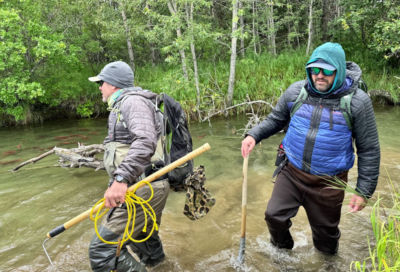
Jeff is a fisheries biologist and ecotoxicologist who conducts research on the impacts of contaminants on aquatic ecosystems in freshwater and marine habitats. He also conducts research on the impacts of environmental conditions on salmonid embryo and larval development using unique in-situ monitoring systems in critical habitat. As an ecotoxicologist, much of Jeff’s work supporting Natural Resource Damage Assessments (NRDAs) and Trustees acting on behalf of the public by conducting injury assessments, helping address the impacts from hazardous substances and petroleum hydrocarbons releases.
Capabilities
Ecotoxicology
Designing and implementing laboratory and in-situ toxicity testing and interpretation of toxicological data.
Trophic Transfer Modeling
Modeling the uptake and movement of contaminants through aquatic food webs.
Habitat-Based Population Modeling
Modeling carrying capacity of aquatic systems based on habitat characteristics.
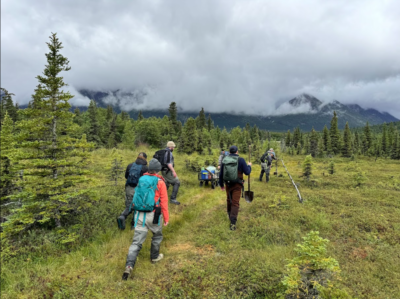
NRDA
Injury quantification for Natural Resource Damage Assessments (NRDAs).
Marine Fisheries Lead: Katrina Zarrella Smith, Ph.D.
Katrina is a quantitative fisheries ecologist with a specialty in operational implementation. She advances the development and dissemination of scientific and communication products at Biodiversity Research Institute. As a Gulf of Maine-based researcher, she prioritizes collaborative approaches to connect our understanding of rivers, estuaries, and oceans. Overall, she aims to foster the long-term sustainability of fisheries, the fisheries sector, and their associated ecosystems.
Capabilities
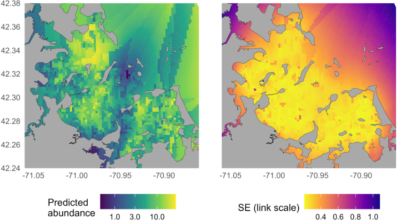
Analytical Population Modeling
Using deep ecological knowledge combined with robust statistical frameworks to generate fisheries population models and characterize uncertainty in changing aquatic environments.
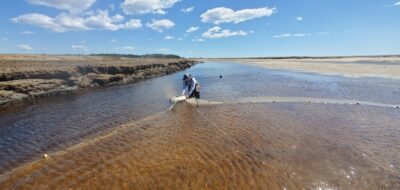
Fish Tracking and Spatial Ecology
Applying advanced fish tracking technologies and movement ecology to interpret migratory behavior, map fundamental habitat use, and inform spatial management strategies for aquatic species.
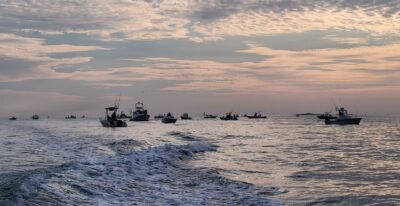
Informed Decision Making
Elevating the intersection of science and policy where competing interests, regulatory systems, and on-the-ground practicalities inform targeted program design. Converting aims into actionable operational roadmaps grounded in scientific, management, and cultural competence.
International Mercury Projects
BRI has developed a Global Biotic Mercury Synthesis (GBMS) database, the first of its kind, that is a compilation and synthesis of published fish, sea turtle, bird, and marine mammal mercury data collected from around the world.
BRI’s work with the U.S. Department of State and the United Nation’s Minamata Convention on Mercury has led to mercury monitoring projects around the world in the global effort to reduce mercury emissions and releases that harm wildlife and their environments, and which may negatively affect human health.
Projects and Products
In-situ Incubation Monitoring Systems for Salmon.
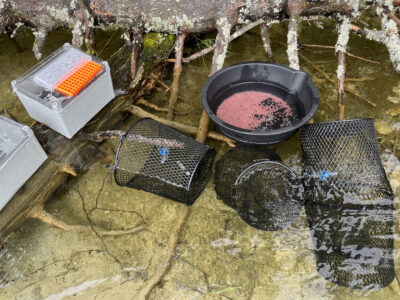
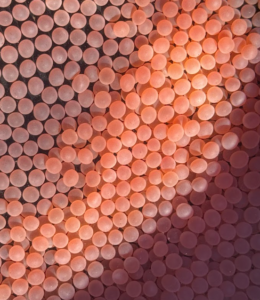
We have recently developed, tested and deployed in-situ incubation monitoring systems for salmon. Our systems monitor salmonid embryo development in natural environments throughout the long incubation period by collecting photographs of developing embryos and hourly temperature data. These can be used to assess impacts of changing temperatures in natal spawning grounds as well as the impacts of exposure to contaminants during incubation. We have tested our systems on salmon and trout in the laboratory and sockeye salmon in the field in the Bristol Bay watershed, AK. This work is supported by the Southwest Alaska Salmon Habitat Partnership.
Conducting Bioassays
Our team has decades of experience conducting bioassays on dozens of species of freshwater and marine fish and invertebrates. These bioassays have included assessments of the toxicity of petroleum hydrocarbons, metals and mixtures of numerous hazardous substances from the field. For example, we recently assessed the toxicity of copper to three species of Pacific salmon in low-hardness water to inform potential impacts of mining in the Bristol Bay watershed, AK. These species included Chinook, coho and sockeye salmon. This research was funded by the Southwest Alaska Salmon Habitat Partnership and Alaska Sea Grant.
Fisheries Contaminant Monitoring
Long-term fisheries and contaminant monitoring for more than two decades, supporting federal and state regulatory compliance, hydropower licensing, and public health decision-making. Our work includes extensive fish mercury monitoring under Federal Energy Regulatory Commission (FERC) licenses in Maine, New Hampshire, and Vermont, including the Fifteen Mile Falls Project and multiple Maine hydropower reservoirs. We also support fish sampling and mercury monitoring through the Global Biotic Mercury Synthesis and international partnerships across 30 countries, connecting local fisheries to global environmental health.
Mercury and PFAS Assessment in Freshwater Fish
We collaborate closely with the Maine Department of Environmental Protection to assess mercury and PFAS in fish across lakes statewide, expanding the scientific basis for fish consumption advisories issued by the Maine CDC. In parallel, we work directly with Tribal communities to assess mercury exposure risks in fish harvested from traditional lands, ensuring that consumption patterns and health risks not captured by conventional monitoring are better understood and communicated.
PIT Tagging and Monitoring
We assist lake trout PIT tagging and monitoring led by the Maine Department of Inland Fisheries and Wildlife. This project evaluates population dynamics and coldwater gamefish species interactions to inform long-term, science-based fisheries management in Moosehead Lake.
